TOFU DIY
Editorial photography
The making of
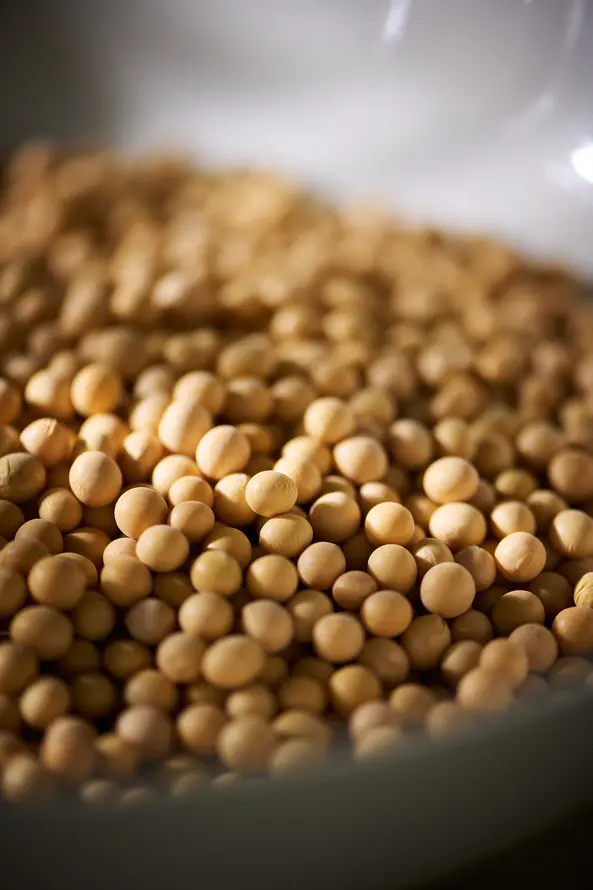
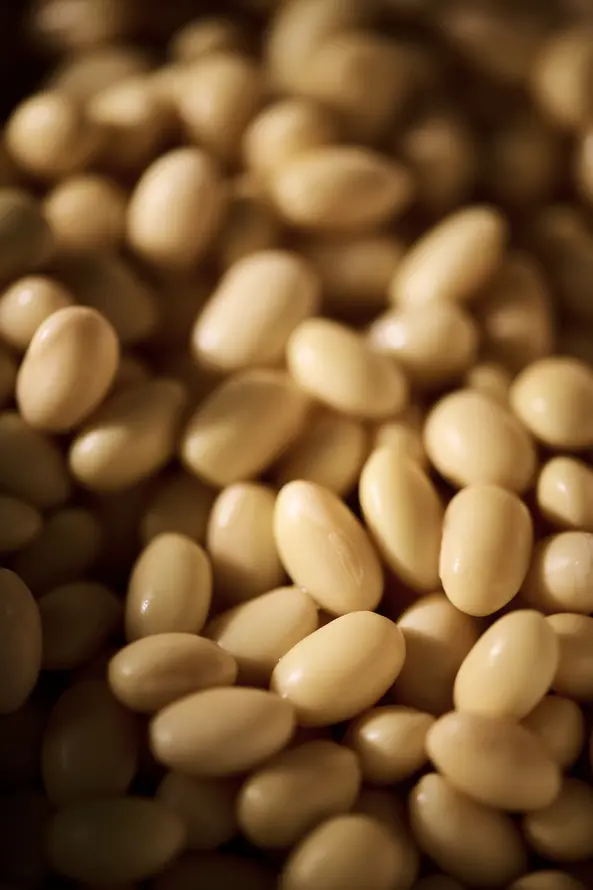
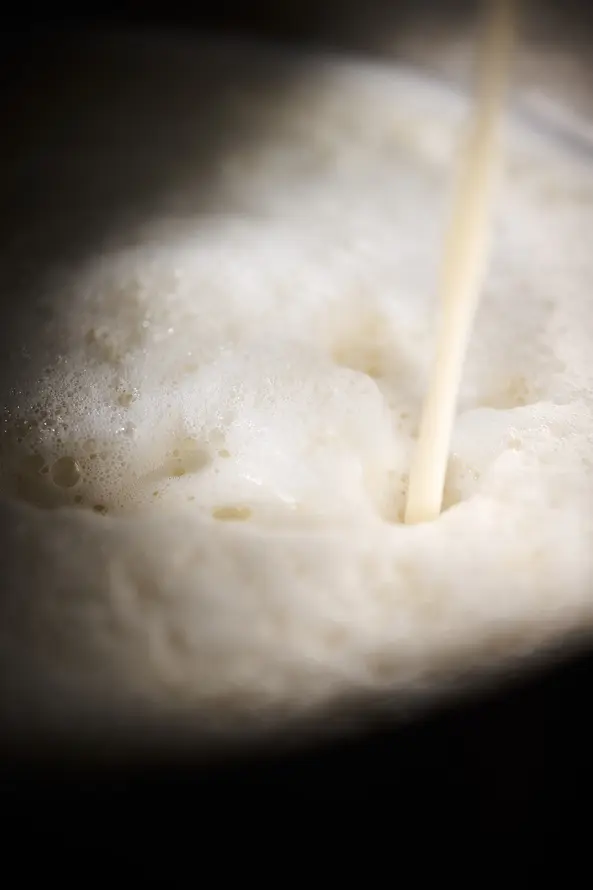
Making tofu at home begins with the quiet simplicity of soaked soybeans. Once softened by time and water, the beans are blended into a creamy, foaming milk — thick, white, and alive with potential. This milk is gently heated in a wide pot, stirred with patience, until it nears a boil.
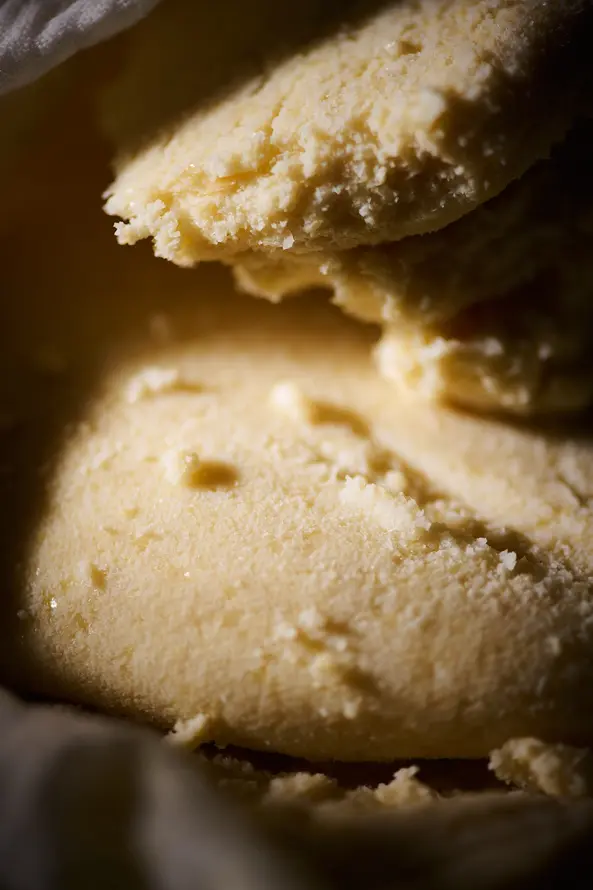
After cooking, the milk is strained through cheesecloth, separating the smooth liquid from its grainy byproduct: okara. A humble leftover, okara finds new life in savory patties, veggie balls, or baked dishes.
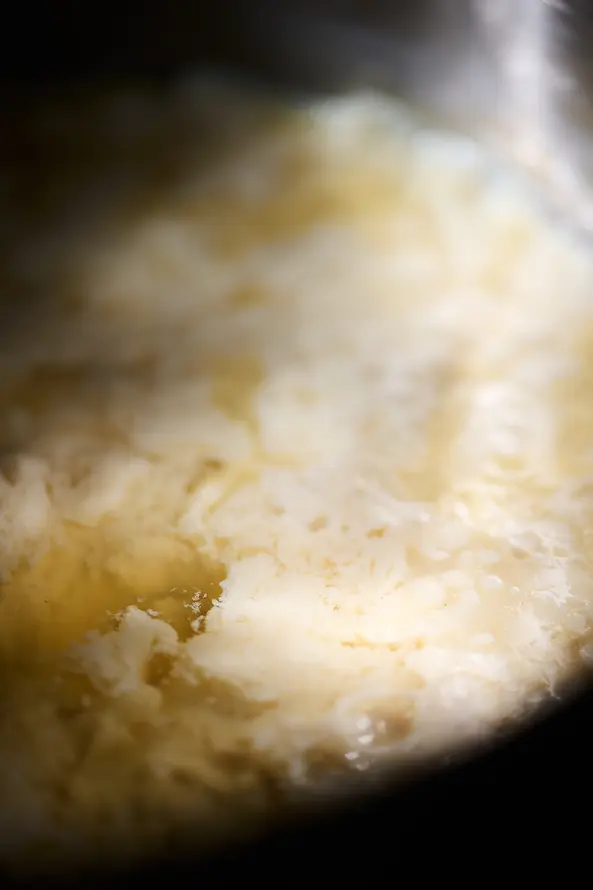
Then comes the most delicate part — coaxing the milk into curds. A coagulant is added, either magnesium chloride (nigari) or something as simple as natural vinegar. Slowly, the transformation begins: clear whey parts from soft, white clumps.
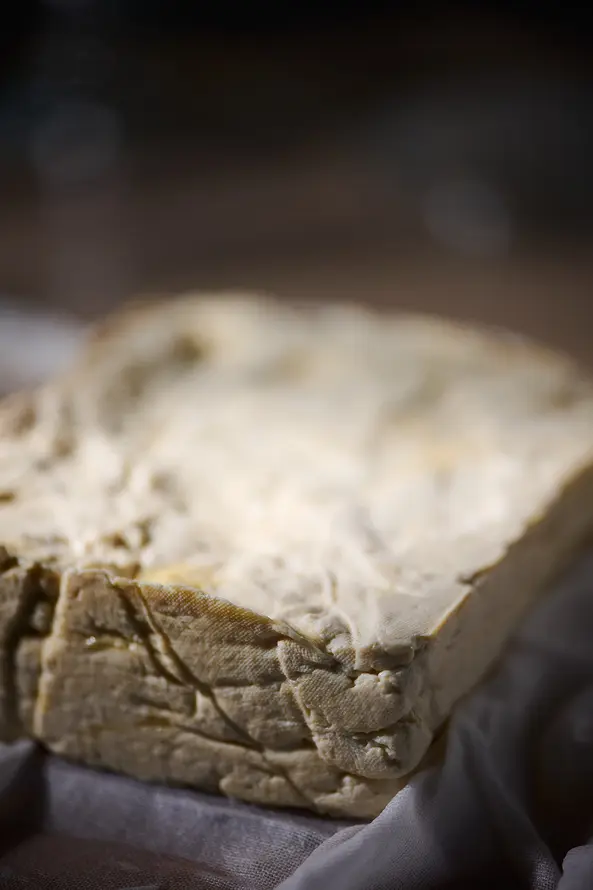
The curds are then gathered and placed in a tofu press. Time and pressure now take over. Press it briefly for silken tofu, or leave it overnight for something firm, structured — ready to be sliced, seared, or savored as is.






The Recipe
Soak 300g soybeans1 for at least 8 hours.
Rinse the beans after soaking and mix them in a blender together with 2l of fresh water and put this milk in a large cooking pot. This milk is called Namago.
Note: do not fill the blender too full, the milk will foam while mixing. I mix the beans in 4 times.
Bring the Namago to a boil2. Again, take a large cooking pot. When the milk starts to boil, the foam will rise. Once it is boiling, turn the heat down a bit but keep stirring well for 10 min.
Put the boiled milk through a cheesecloth. You can use 2 equal bowls to press the pulp. Put the milk back in a cooking pot. The pulp that remains is Okara.
To curdle the milk, you can use magnesium chloride (12.5 ml) mixed with 50 ml of hot water. (Nigari)
I personally use 5 to 6 tablespoons of natural vinegar instead.
Heat the milk to 73°C. Add the Nigari or vinegar. Stir briefly to combine , then let the milk rest immediately.
Wait for 10 minutes4.
Now prepare the tofu press5. Line it with a cheesecloth. Depending on the type of press you’re using and how firm you want the tofu to be, you can remove the press after 10 to 30 minutes. For a firmer tofu, you can leave it in the press overnight.
1 Making tofu is a matter of experimentation. Several factors influence the yield and firmness of the tofu. Even the soybeans you buy can affect the final result. Personally, I prefer to buy my organic soybeans from Topnoten.nl.
2 Don’t turn the heat too high when bringing the milk to a boil, unless you keep stirring constantly. The milk easily sticks to the bottom of the pot.
3 Curdling works best between 70°C and 80°C. If the milk is too cool, the curdling process will be very slow. If it’s too hot, the tofu may become rubbery. Add the Nigari or vinegar.
4 Most recipes say to let the milk rest for 10 minutes. I don’t go by time — I look at the result. When the tofu is firm and only clear liquid remains instead of milk, the process is complete. This can sometimes take half an hour or more. Once again: it’s all about experimenting.
5 I have a Japanese wooden press, but it’s too small for this amount of tofu. That’s why I bought the Tofubud tofu press. It holds more, and the spring mechanism quickly presses out the water. The wooden press, on the other hand, has the advantage of coming with a handy straining bag for the milk and a cloth to line the press. Both are available at Meesterslijpers.nl.